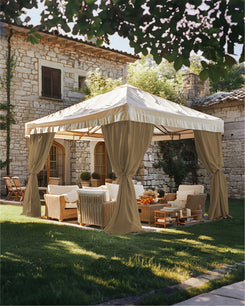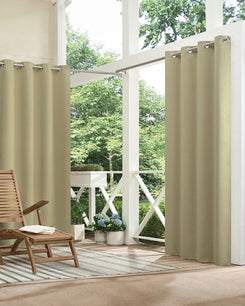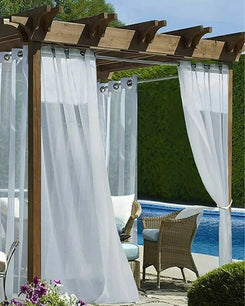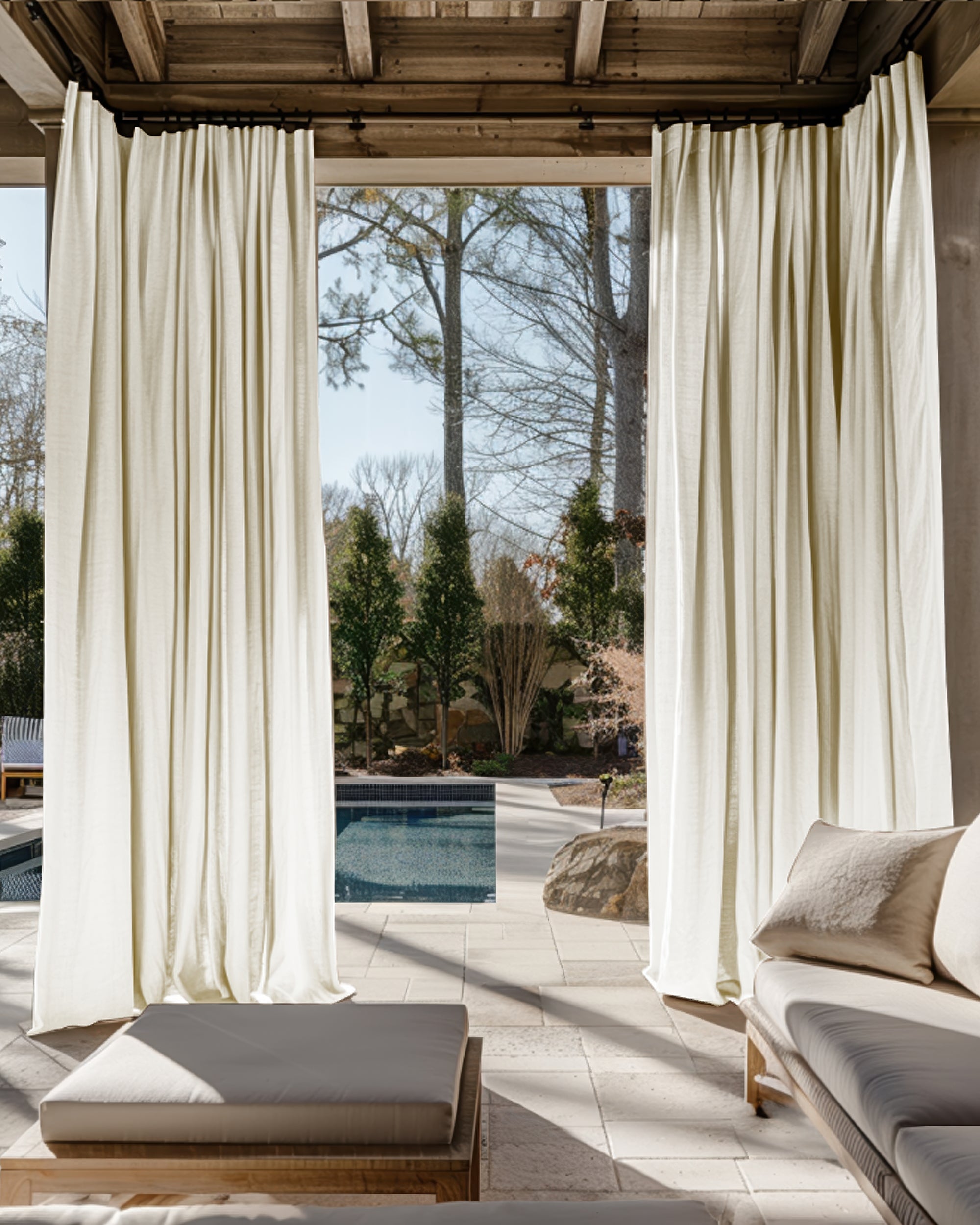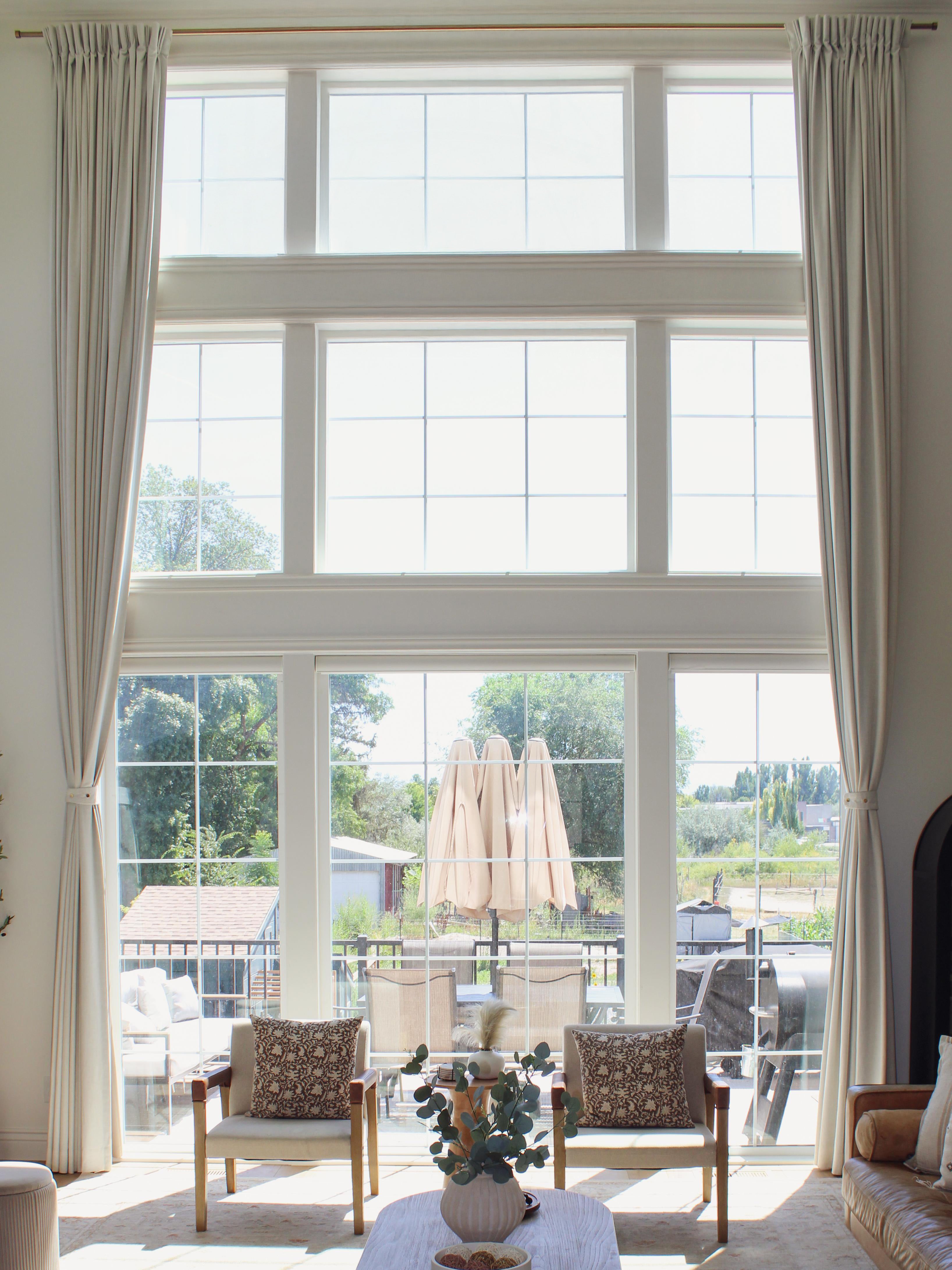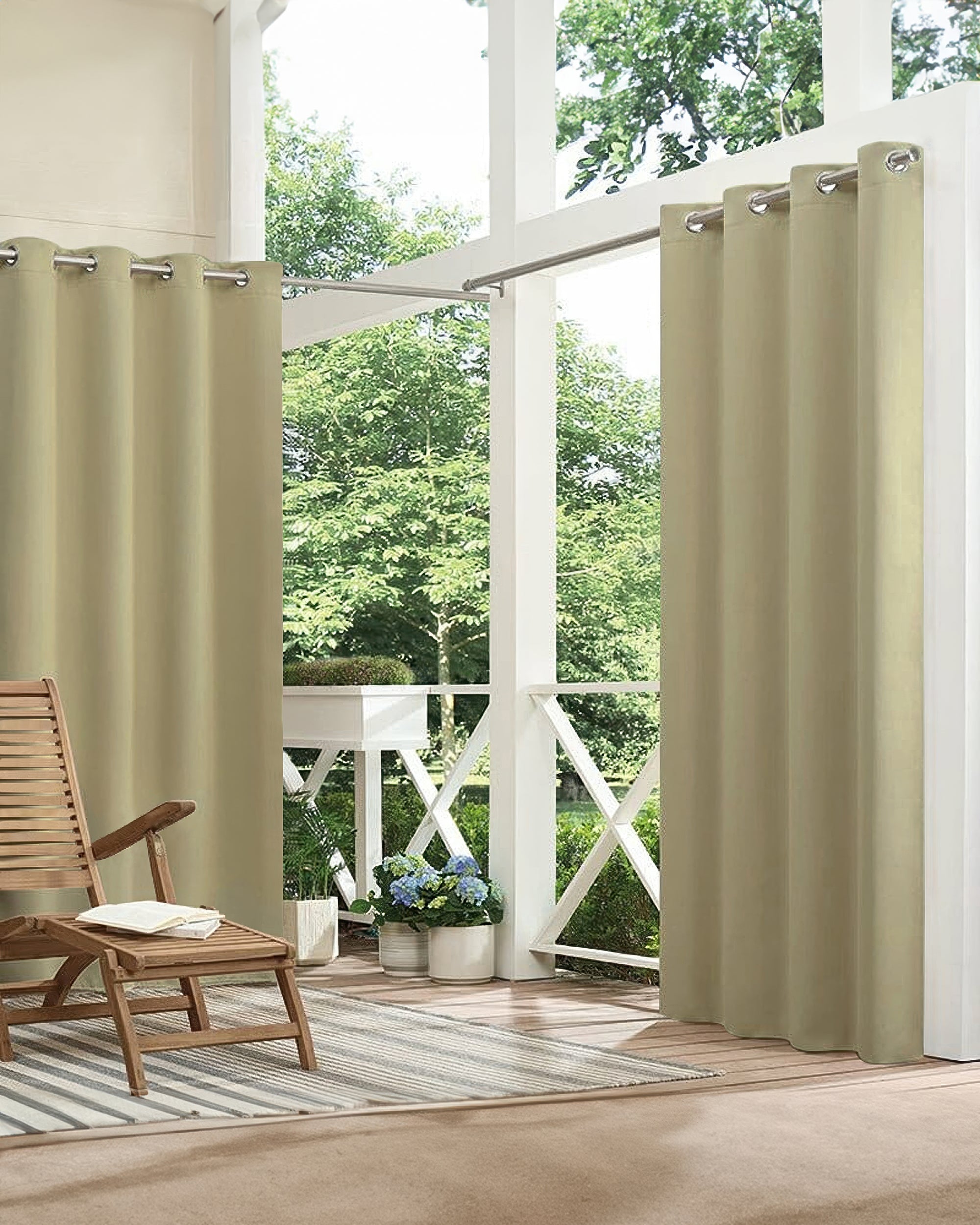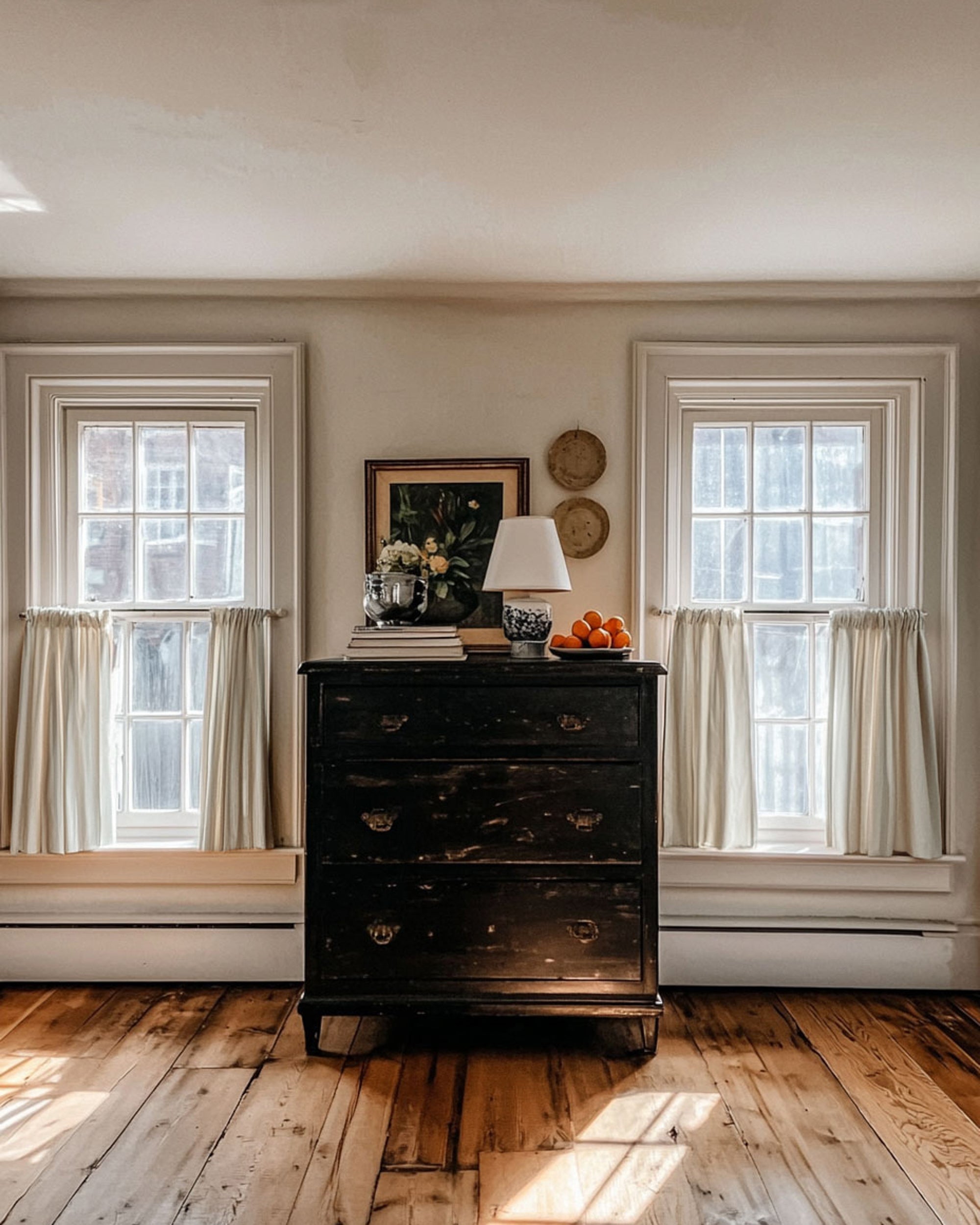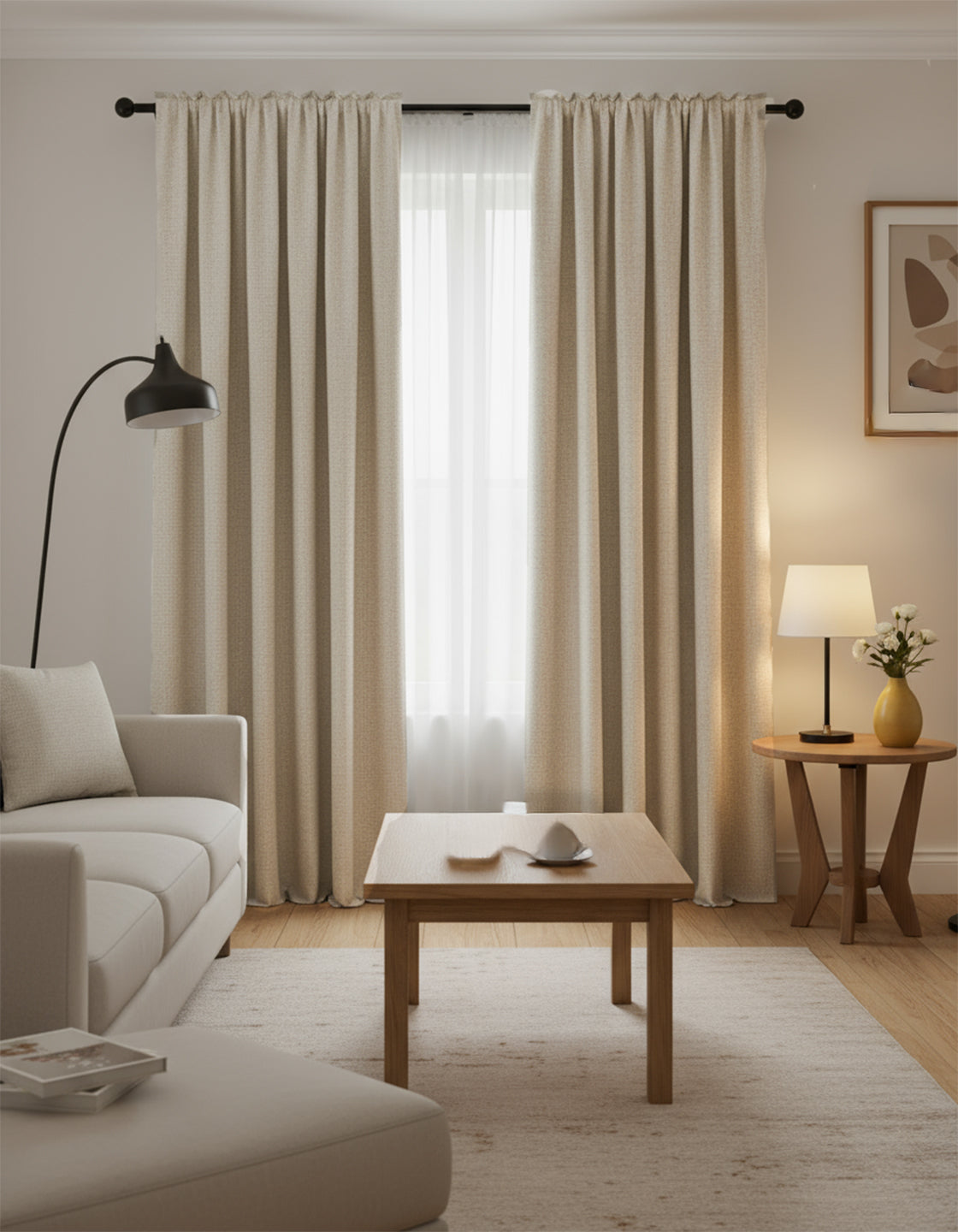


There is no denying the appeal of a screened porch: it bridges the gap between the comfort of your living room and the fresh air of the outdoors. However, many homeowners face the "fishbowl effect"—you can see out, but neighbors can see right in. Plus, the harsh glare of the late afternoon sun can quickly turn a relaxing space into an uncomfortable greenhouse. This is where screened porch curtains act as the ultimate game-changer.
Installing outdoor curtains doesn't just elevate the aesthetic; it solves practical problems. They transform a basic screened area into a true "outdoor room," offering privacy, light control, and protection from the elements. Whether you want to block the sun’s glare while reading or simply ensure your dinner party stays private, the right drapery is essential. In this guide, we’ll break down the best materials, style ideas, and installation tips to help you upgrade your porch effectively.

Why Outdoor Curtains Are Essential for Your Screened Porch
While your screens keep the bugs out, they don't block prying eyes or UV rays. Outdoor curtains add a layer of functionality that screens alone cannot provide:
- Privacy Control: Stop living in a fishbowl. Curtains allow you to close off your space from neighbors or the street instantly.
- Sun & Temperature Management: Heavy-duty outdoor fabrics block harsh sunlight, lowering the temperature on your porch and protecting your furniture cushions from fading.
- Ambiance: Fabric adds softness to the hard lines of aluminum or wood framing, making the space feel like a legitimate extension of your interior home.
- Weather Buffer: While not a solid wall, thick curtains can reduce wind gusts and stop blowing rain from soaking your seating area during a summer storm.
Choosing the Right Material: Durability is Key
An indoor curtain will not survive outside. The humidity, temperature fluctuations, and UV exposure require specific fabrics. When shopping for water-repellent outdoor curtains for screened porch setups, focus on these three materials:
- Solution-Dyed Acrylic: The gold standard for outdoor living. The color is dyed all the way through the fiber (like a carrot), not just on top (like a radish). It is highly resistant to fading, mold, and mildew.
- Olefin: A fantastic alternative that is lightweight, durable, and dries rapidly. It is naturally resistant to staining and mildew, making it perfect for humid climates.
- Spun Polyester: A budget-friendly option that mimics the feel of cotton. While versatile and available in many prints, ensure it is treated for UV resistance to prolong its lifespan.
Pro Tip: Look for fabrics labeled "weather-resistant" or "water-repellent." Avoid "waterproof" plastic-like vinyl curtains unless you are winterizing the porch, as they don't breathe and can trap heat.
Design Ideas to match Your Aesthetic

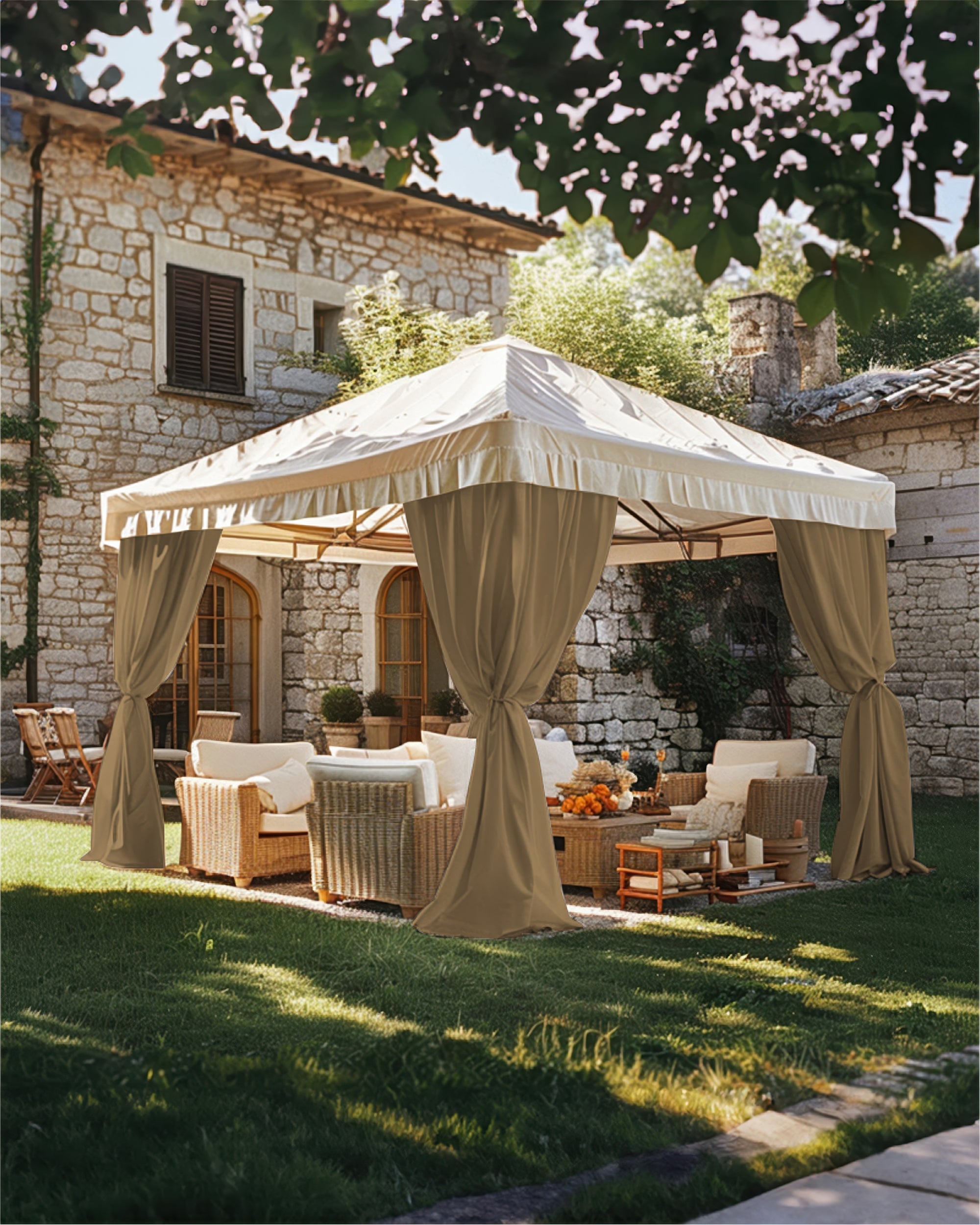
Your curtains set the tone for the entire room. Here is how to match your drapery to your decor style:
1. Modern Coastal
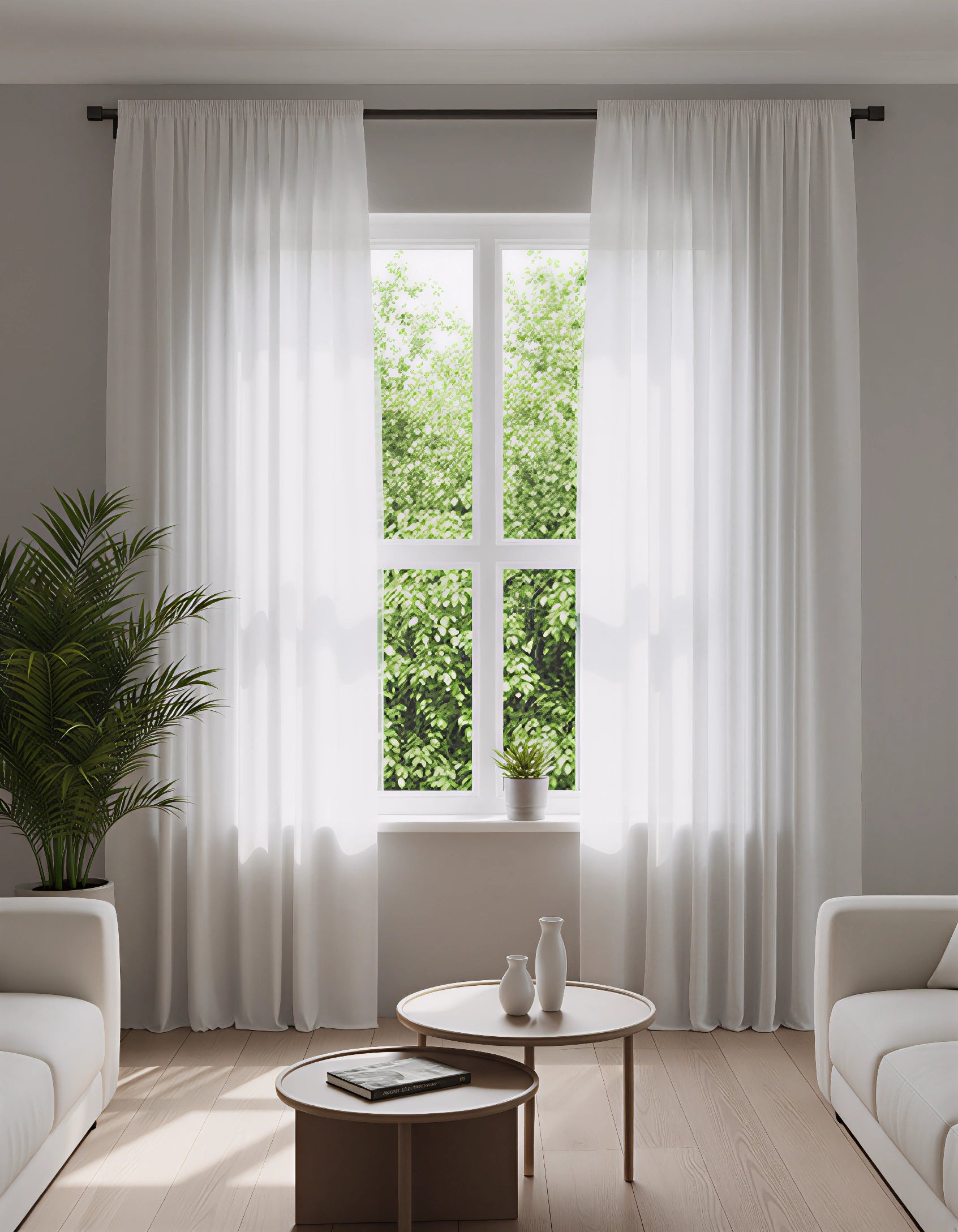
For that airy, beach-house vibe, opt for fabrics in crisp whites, soft neutrals, or classic cabana stripes. Grommet-top curtains on a sleek metal rod work best here for easy movement. Pair with wicker furniture to complete the look.
2. Rustic Farmhouse
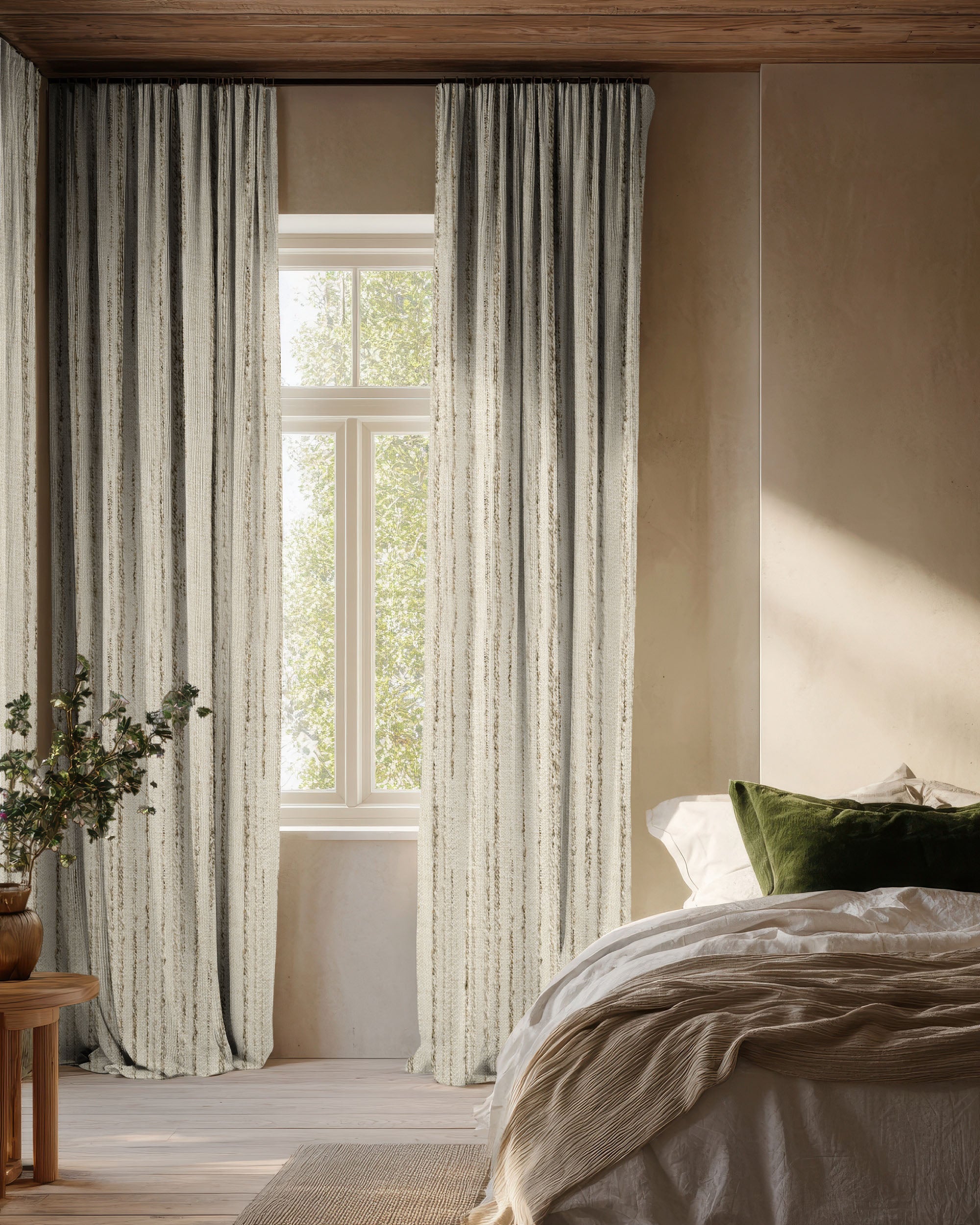
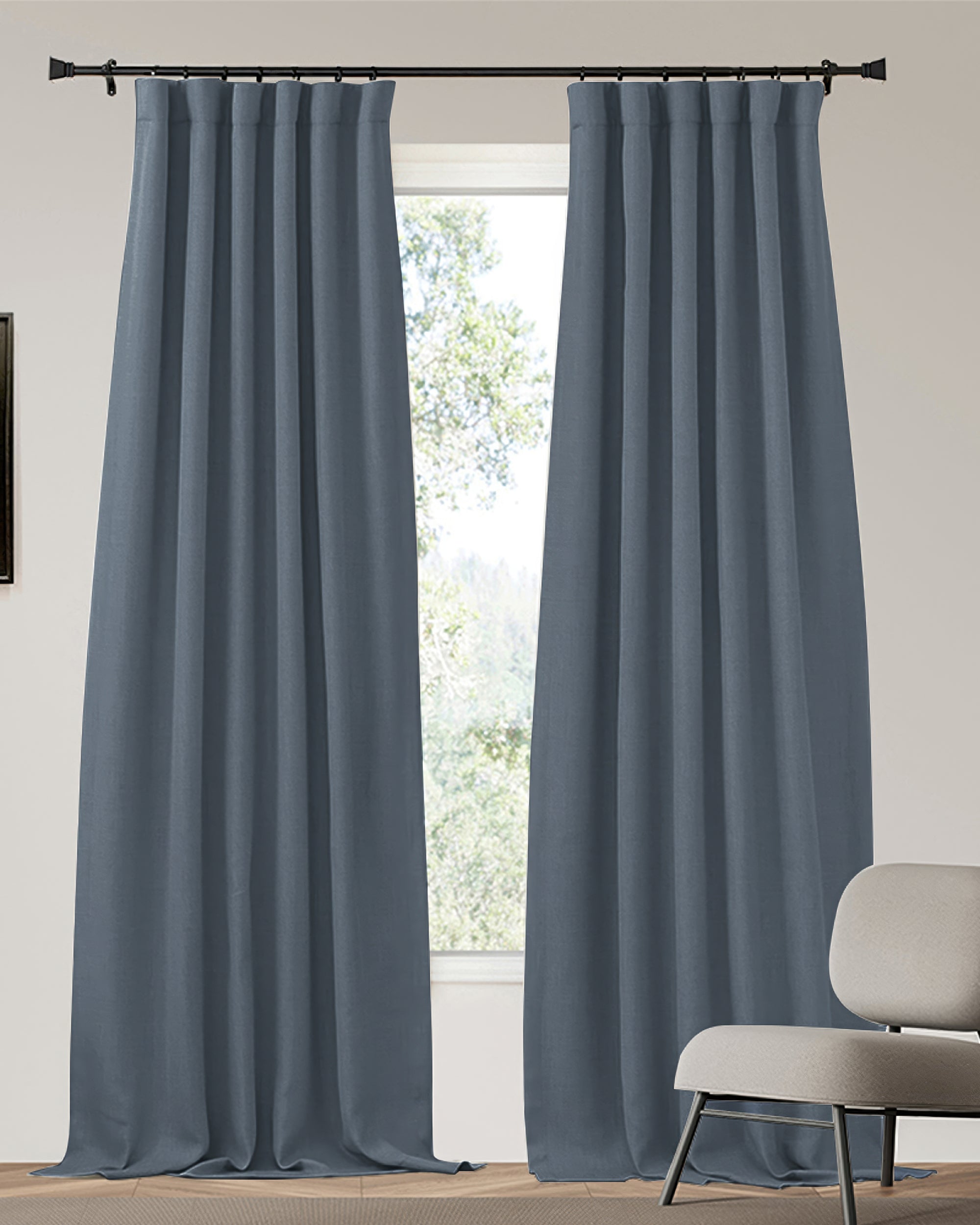
Lean into coziness with textured fabrics in earth tones like beige, taupe, or soft greys. Tab-top curtains hanging on a wooden rod or a matte black iron rod complement natural wood beams and stone fireplaces perfectly.
3. Boho Retreat
Don't be afraid of patterns. Botanical prints or subtle geometric designs can add life to the space. Layering functionality is key here—perhaps a sheer curtain for filtered light and a heavier canvas curtain for privacy.
4. Minimalist & Clean
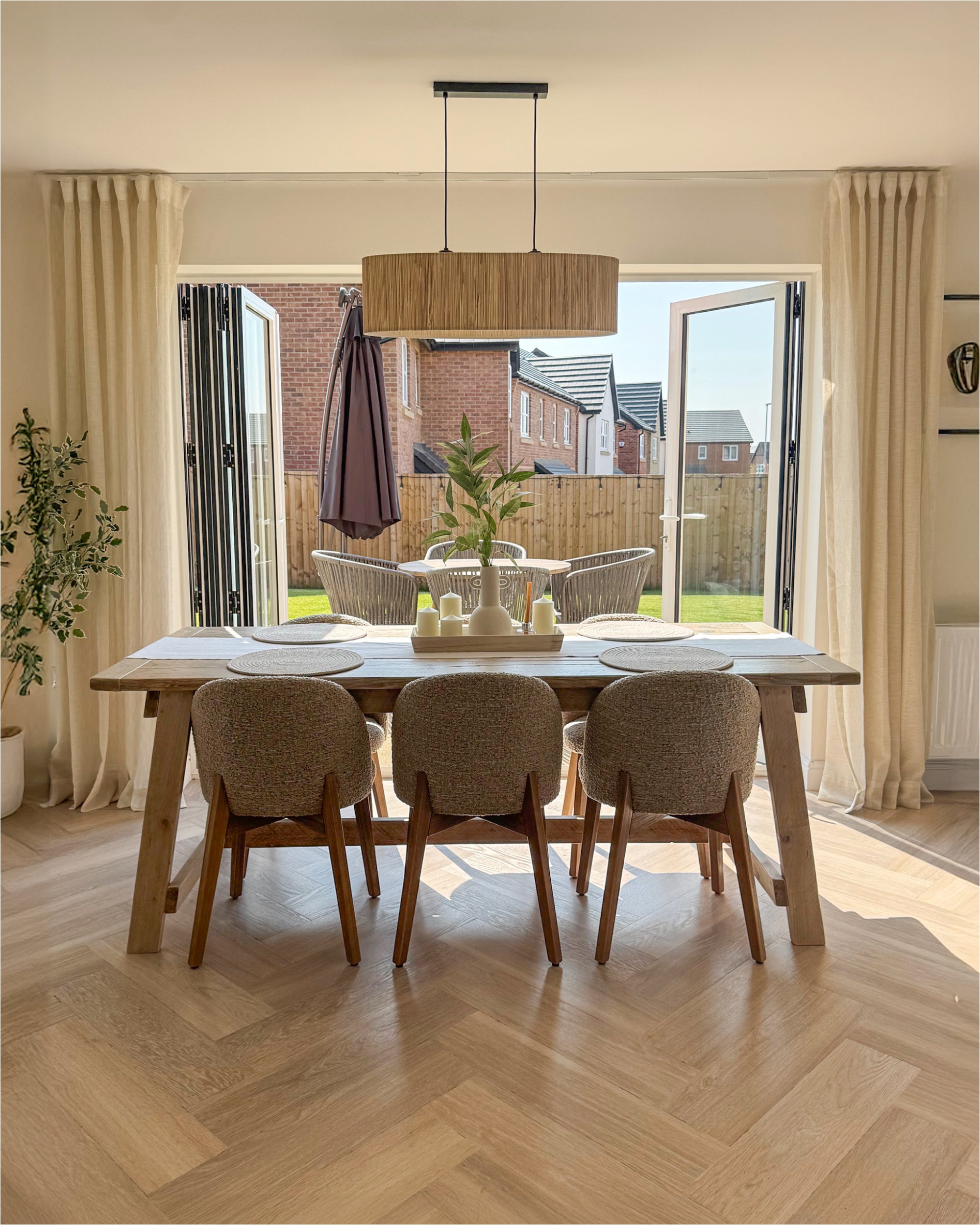
Stick to solid colors that match your home's siding or trim. The goal is for the curtains to blend in when not in use. Ceiling-mounted curtain tracks are excellent for this style as they hide the hardware and create a seamless floor-to-ceiling look.
Installation: Rods, Tracks, and Tension
Installing in a screened porch can be tricky depending on your framing. Here are the most reliable methods:
- Wall-Mounted Rods: The traditional choice. Ensure you are drilling into the structural studs of the porch frame, not just the screen molding.
- Ceiling Tracks: If you have a flat ceiling, curtain tracks provide a smooth glide and a professional, high-end hotel look. This is ideal for covering large spans.
- Tension Rods: Only suitable for small, individual screen panels where the span is short. Do not use these for heavy drapes over wide openings as they will sag.
Maintenance & Wind Control
The biggest complaint about outdoor curtains is the wind blowing them around. Here is how to handle maintenance and movement:
- Taming the Wind: Skip the office supplies. Use professional solutions like weighted hems (sewing weights into the bottom), bottom grommets secured with a cable system, or decorative tie-backs secured to the frame.
- Cleaning: Shake them out regularly to remove pollen and dust. Most outdoor curtains can be spot-cleaned with mild soap and water. If you live in a harsh winter climate, taking them down for the season will significantly extend their life.
Frequently Asked Questions

What is the difference between water-repellent and waterproof?
Water-repellent fabrics (like most curtains) shed water but allow air to pass through, preventing mold growth. Waterproof materials (like vinyl) block everything but can create a hot, stuffy environment. For a porch, water-repellent is usually the better choice.
How do I stop curtains from blowing in the wind?
The most effective method is purchasing curtains with heavy weighted hems or grommets at the bottom. You can then run a steel cable or rod through the bottom grommets to keep the panel taut, or simply use heavy magnetic weights designed for outdoor drapery.
Can I leave outdoor curtains up all year?
While materials like Olefin and Acrylic are tough, taking them down during snowstorms or extreme winter weather will double their lifespan. At a minimum, tie them back securely during high winds to prevent damage to the fabric or the rod.
Conclusion
Adding curtains to your screened porch is one of the most cost-effective ways to increase your home's living space. They offer the flexibility to switch between an open-air breeze and a private, cozy retreat in seconds. By choosing the right weather-resistant material and securing them properly against the wind, you can enjoy a stylish, protected outdoor sanctuary for years to come.